Imagine a man in his 60s who used to enjoy morning walks. Now his hand is shaking in his hand a teacup. His medications may be effective for several days, and then suddenly stop. Some hours he roams, some hours he is trapped. This is the typical day-to-day experience for a lot of people who have Parkinsons’ disease, and that's where deep brain stimulation, or DBS, can come into play. A Brain pacemaker for parkinsons’ provides adjustable and reversible stimulation, ensuring safe and long-term symptom control under the guidance of the neurosurgeon.
DBS is a technique that uses thin electrodes to be inserted in specific brain regions involved in movement. The electrodes are attached to a small pulse generator (typically under the skin near the collarbone). It transmits gentle and steady electrical signals that help to settle the abnormal activity, aiding tremor, stiffness and slowness. It operates more or less like a heart pacemaker, so it is sometimes referred to as a brain pacemaker.
DBS is not for all. It is most effective with individuals who:
Only similar conditions, like some atypical forms, typically do not respond well. It is therefore important for a careful evaluation to be done first, with a medication response test and brain imaging.
MRI planning is the first step in the surgery, where a detailed plan of the target is made. The surgeon is able to precisely position the electrodes in the operating room. During some of the procedures, patients will be awake to help the team verify the response. The generator is then positioned underneath the skin (usually in a second procedure). Most people recover at home within 2-3 days.
The device is not switched on straight away. Stimulation is programmed about 3-4 weeks later and further refined over a series of visits. Here it requires patience since the benefit will gradually accumulate.
Many patients report increased stability of movement, decreased tremor, and more predictable ‘off' time periods. Medications for Parkinsons’ sometimes can be dosed lower, reducing side effects. Tasks are again possible, like buttoning a shirt, eating without spilling, walking to the park, etc. Life after DBS surgery brings remarkable improvement for Parkinsons’ patients by reducing tremors and medication side effects.
DBS is not a cure, though. It does not prevent the disease from getting worse, and some of the symptoms, such as balance issues or speech changes, may not get better. There are also risks, such as infection, bleeding in the brain and side effects when stimulated. If you're considering surgery, a competent surgeon will address these questions candidly before your decision. Batteries can be replaced for several years; rechargeable batteries can be recharged for longer, but the generator will need replacing/recharging at some point.
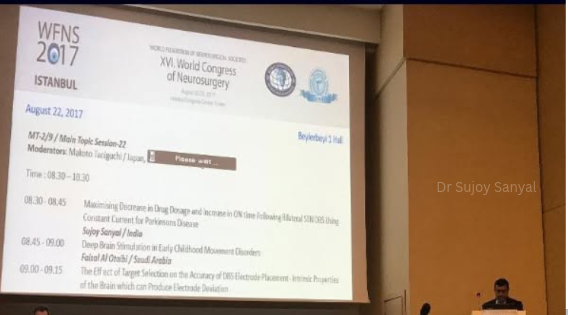
Families will look for the best DBS surgeon in India, hoping they get something they can be sure of. Asking questions that have to do with the real world is a better strategy. How many times does the team do DBS? Does the selection and programming include a movement-disorder neurologist? What are the consequences when problems occur? This is how Dr Sujoy Sanyal and his team deal with every situation; before a decision is taken, there's always a joint evaluation.
Over time, interest in DBS surgery in India has grown, with advanced planning systems and skilled programming teams at various centres. It's a good sign for patients who were forced to look abroad to find treatment.
Parkinsons’ will change a person's life, but need not mean a loss of independence. With the right evaluation, honest expectations, and experienced follow-up, many people regain control of their days. Ask your neurologist if DBS is right for you if treatments such as medicines are no longer working.
