Parkinsons’ disease is a progressive disorder of the nervous system that affects movement, balance, and coordination. As the disease progresses, some medicines might stop working to control symptoms, including shaking, stiffness and uncontrolled movements. In such cases, Deep Brain Stimulation (DBS) may be a valuable treatment for appropriate patients.
In the modern era, DBS for Parkinsons’ India is more easily available, with the help of specialized medical centres that provide neurological treatment. This procedure has been beneficial for many patients to regain more control of their daily activities and to improve the overall quality of their lives.
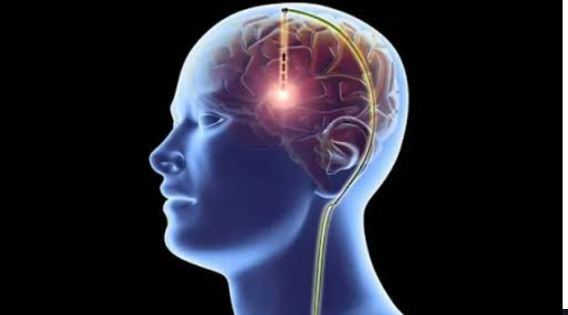
Deep Brain Stimulation is a surgical technique using thin electrodes placed in certain parts of the brain that regulate movement. These electrodes attach to a small device that is placed under the skin of the chest. It sends precisely designed electrical currents to normalize abnormal brain activity related to Parkinsons’ disease.
Brain pacemaker, or implanted devices, are common and work like a cardiac pacemaker, which regulates the heart's rhythm by delivering controlled electrical signals to specific body regions. DBS is adjustable and reversible, meaning doctors can tweak and adjust the stimulation as the patient's needs evolve, as opposed to destructive brain surgery.
Surgery isn't necessary for all patients with Parkinsons’ disease. The doctors typically suggest DBS for people who:
A comprehensive nerve examination, imaging of the brain and a multi-speciality examination assist in deciding if a patient might be a good candidate for surgery.
Patient selection, electrode placement and post-operative programming are critical factors for the success of Deep Brain Stimulation. That's why it's important to hire an experienced specialist.
For those looking for more complex treatment, patients may turn to the best DBS surgeon Kolkata, who utilizes the latest in surgical techniques, imaging technology, and tailored treatment strategies. A highly trained surgical team collaborates closely with neurologists, neurophysiologists, anesthesiologists and rehabilitation specialists during the treatment process.
In most cases, the operation is carried out in a well-planned sequence. The use of advanced imaging techniques that locate the exact target in the brain before the need for an electrode placement. Once implanted, the neurostimulator will be placed under the skin close to the chest and linked with the brain electrodes.
After recovery, the stimulation parameters are programmed and optimized during the subsequent recovery visits. These changes help the device to be as effective as possible at relieving symptoms while causing the fewest side effects.
Prominent hospitals in DBS surgery India are equipped with modern navigation systems and dedicated teams of neurologists to ensure accurate and safe surgeries.
The knowledge of life after DBS surgery aids patients in setting their expectations. This is a procedure that does not cure Parkinsons’ disease or prevent its progression, but may help manage its symptoms in patients who are a good fit.
Numerous patients experience both improvement in tremor control and lessening of muscle stiffness, slowness of movement and involuntary movements. It can be easier to do daily activities like eating, dressing, writing, walking and keeping personal independence.
Further, doctors can de-escalate certain medications after the successful programming of a DBS implant, which may help minimize side effects associated with taking medications. However, the doses of medication can differ for each person and always need medical supervision.
Follow-up appointments continue to be a critical component of long-term care. During these visits, a specialist will make adjustments in stimulation as symptoms change and disease progresses. The majority of patients follow a rehabilitation programme, physiotherapy and healthy living post-surgery to get the most out of the procedures.
There is a typical progression of recovery following DBS surgery. Patients will usually be discharged home after a brief hospital stay based on each patient's recovery and health status. Discomfort at the surgical sites usually improves with time.
Long-term success requires ongoing interdisciplinary communication among the patient, neurologists, neurosurgeons and physiotherapists. Regular exercising, healthy eating habits, proper rest and scheduled check-ups with a physician help support ongoing improvements in functioning.
A revolution has occurred in the successful treatment of advanced Parkinsons’ disease with Deep Brain Stimulation, providing symptom control for a select group of patients. Many people feel better mobile, independent and have a better quality of life with the help of experienced specialists, modern surgical technology and individual postoperative care.
When medication no longer seems to be enough to control the symptoms of Parkinsons’, a referral to a qualified neurological team may be helpful to see if DBS is right for you and to help you move forward in treatment.
