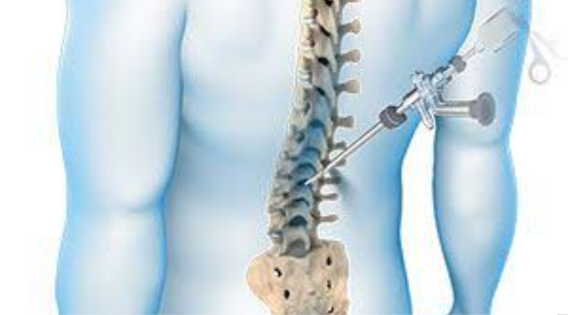
Ongoing back pain may make it difficult to perform basic tasks of daily living. When a spinal problem impacts a nerve, disc, or the spinal cord, walking, sitting, working, and sleeping could become uncomfortable. Although there are many non-surgical treatments that can help alleviate spine problems, some people will ultimately require surgery.
If you're considering minimally invasive treatment, it's essential to choose an experienced specialist. Minimally invasive spine surgery may not be appropriate for all patients, and a detailed consultation can help determine whether it suits the patient's specific condition.
Minimally invasive spine surgery involves the use of advanced techniques and instruments that allow for access to the affected area with minimal incisions, as compared to conventional open surgery. Depending on the condition, surgeons may use tubular retractors, specialised instruments or image guidance during surgery.
It might be used in specific cases involving discs, spinal nerves or spinal instability. But not all patients are good candidates for minimally invasive surgery. Surgical procedures will be based on the diagnosis, the site of the issue, spinal structure, and overall well-being.
Therefore, patients looking for a Minimally Invasive Spine Surgeon will need to find a surgeon with relevant surgical experience and the ability to provide a thorough evaluation.
Several disorders of the spine may result in chronic pain or neurological symptoms. These are any condition that affects the spine, such as herniated disc, spinal stenosis, degenerative disc disease, spondylolisthesis and some spinal deformities.
Symptoms may involve back or neck pain, pain that radiates into the arms or legs, numbness, tingling, and weakness. There is also a possibility of patients having reduced mobility or being unable to carry out day-to-day tasks.
The patient's symptoms, medical history, physical examination and imaging report are typically reviewed by a spine specialist before recommending treatment. In some cases, conservative treatment can be considered before surgery.
A possible benefit of the minimally invasive methods is that they result in less disruption of nearby muscles and tissues. This can help reduce discomfort after the surgery and accelerate the recovery process depending on the procedure and the patient's condition.
Recovery is different from person to person, however. Patients cannot expect a quick recovery or shorter hospital stay in the case of minimally invasive surgery.
Patients seeking a MIS in India should seek answers from the surgeon regarding the type of surgery they are considering, the benefits to expect after the procedure, potential complications, and the alternatives and recovery needs.
It's important to have some experience with the procedure if you're looking for a specialist. The surgeon's experience and qualifications, specialities, and hospital environment should be reviewed by patients.
When looking for a top spine surgeon in Kolkata, it is essential to ask if the surgeon takes the time to explain the diagnosis and treatment options. A good consultation enables patients to ask questions and to find out why a specific procedure has been recommended.
In more complex situations, patients may want to consult with other specialists who have experience in advanced spine surgeries. A person who is in search of a top spine surgeon in India can check the qualifications and relevant expertise of the surgeon before deciding on the treatment.
The amount of recovery time will vary based on the surgery performed, the patient's overall health, the number of spinal levels that were involved and the complexity of the condition. Depending on the patient, it may be possible to resume light activities relatively soon, or it may take longer for the patient to be fully rehabilitated. The minimally invasive spine surgery recovery time can vary depending on the type of procedure and the complexity of the spinal conditions.
The length of recovery time for MIS should be individualized and discussed with the surgeon. You will be advised on walking, lifting, driving, work, exercise, wound care and postoperative reviews.
Postoperative guidance can aid in the recovery process and enable patients to identify signs that may mean a medical problem.
The minimally invasive approach to spine surgery may be an option for appropriate patients, but the surgery should always match the patient's situation. Smaller incisions are not the reason to go for surgery.
A specialist consultation can help to determine the diagnosis and review surgical and non-surgical alternatives. When attending the appointment, patients can bring MRI and/or CT scan reports, previous prescriptions, medical reports, and information about past treatments.
When looking for the best minimally invasive spine surgeon in Kolkata, look for someone who has the experience to provide relevant treatment and a thorough diagnosis and treatment plan for the specific case. Informed decision-making is crucial for patients considering minimally invasive spine surgery in India to make informed choices and manage their expectations and understanding of recovery.
