Sudden, sharp facial pain can make daily life very difficult. A very strong reaction can be brought on by brushing the teeth, washing the face, eating, speaking, or even feeling the lightest puff of wind. Trigeminal neuralgia may impact not only comfort but emotional health for individuals suffering from these symptoms.
A neurological disorder that results in sudden episodes of facial pain from irritation or dysfunction of the trigeminal nerve. Fortunately, there are some treatment options available that can help control symptoms. Treatment will depend on the severity of the pain, the health of the patient and the effectiveness of the previous treatment.
The trigeminal nerve transmits the sensation from the face to the brain. It is divided into three major branches that provide sensation to various parts of the forehead, cheeks and jaw.
Trigeminal neuralgia triggers abrupt and intense, electric shock-like pain in one or more of these areas. These attacks can be brief (sec) to about 2 minutes, but can happen again in quick succession.
Sometimes, the blood vessel presses against the trigeminal nerve in the area around the brainstem. In other cases, it can be linked to abnormalities or multiple sclerosis. In some cases, the cause is not known.
Long-term relief may be possible depending on the cause, severity of the symptoms and treatment selected. For some, pain is controlled well with medication, and for others, a procedure or surgery is necessary.
The first step in understanding the cure of Trigeminal Neuralgia is to realize that there is no one-size-fits-all treatment. The goal of treatment is to decrease the number of pain episodes, enhance function and limit the effects of treatment.
The initial treatment is usually medication. Carbamazepine and oxcarbazepine are widely used medicines that can help to decrease abnormal nerve signals. If the initial medication isn't effective or appropriate, a doctor might consider other medications based on the patient's condition.
Drug dosages and the duration of therapy must never be modified without a doctor's recommendation. Certain medications need blood tests or checks for effects on the body.
For some patients, the symptoms may not be adequately controlled with medication, and surgical interventions may provide more enduring relief.
Microvascular Decompression
If this pain is due to vascular compression, microvascular decompression is a surgery that can clear the way between the blood vessel and the trigeminal nerve. A small protective cover is positioned between the nerve and the vessel during surgery.
The purpose of this procedure is to take the pressure off the nerve without being destructive or causing damage. It may offer significant long-term relief, but it involves an operation within the skull and poses risks, such as problems with hearing, CSF leakage, infection, and other neurological issues.
This is a procedure that involves controlled heating of the trigeminal nerve's pain-transmitting fibres. It may help relieve pain, especially if the patient can't have a more thorough surgery or wants to try something different.
These procedures are directed at specific fibres of the trigeminal nerve in an attempt to limit the pain signals. They might be recommended by the doctor based on the patient's age, health, symptoms and treatment history.
Stereotactic radiosurgery involves delivering radiation into a specific part of the trigeminal nerve. Does not require a normal cut into the skin.
It may take weeks or months to get pain relief. Some numbness of the face may happen, and symptoms can recur over time.
Choosing an experienced specialist is an important step towards effective treatment. Patients should seek a doctor who can diagnose the patient, discuss treatment options, and the benefits and risks of each treatment.
Those who are looking for pain relief for Trigeminal Neuralgia should inquire about treatment options, side effects, surgical options, and the chances of regaining their symptoms.
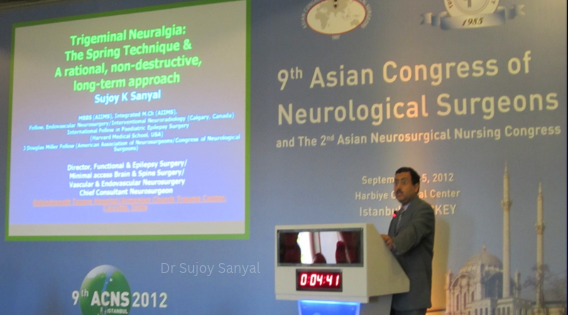
Trigeminal Neuralgia Treatment in Kolkata: Patients can consult with a neurosurgical specialist who would go through their medical history and investigate their reports. Dr Sujoy Sanyal provides consultation on neurosurgical disorders, where the patient can discuss their symptoms and explore options for their treatment.
When visiting the best Trigeminal Neuralgia specialist in India, they shouldn't simply give a blanket treatment recommendation if they are not considering the unique situation of that patient.
With proper treatment and periodic medical management, many patients can enjoy a better quality of life. When pain attacks are controlled, and side effects from treatment are managed, it may be possible to take steps toward living a normal life with Trigeminal Neuralgia.
Patients can document their pain episodes, recognize common pain triggers and adhere to their care plan. Gentle oral care can help to minimize discomfort during times when brushing is difficult, and soft foods can help during painful times.
Emotional support is important. Chronic facial pain may lead to anxiety, insomnia and social isolation. Patients may be able to manage these challenges by talking to a family member, health care provider or counsellor.
While trigeminal neuralgia can be a very painful condition of the face, there are effective ways to treat it. For many patients, medication is the first line of treatment, and surgery or other treatments can be beneficial if symptoms continue.
Assessment, diagnosis and tailored treatment are crucial. If repeated electric shock-like pain is occurring in the face, it is important that patients obtain medical advice and not assume that the pain is a dental issue.
