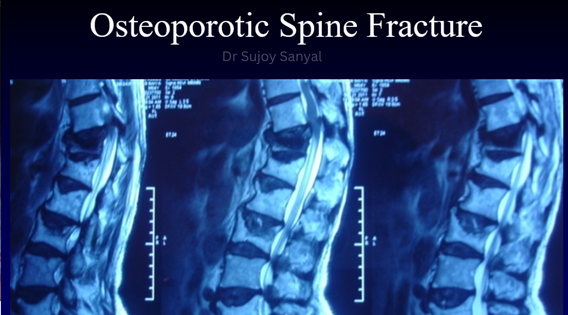
One of the most frequent complications of osteoporosis in older women and men is a compression fracture of the spine, which may occur following a minor fall, sudden movement or with no apparent event. If pain cannot be managed with conservative therapy, medical procedures such as vertebroplasty and kyphoplasty can help to stabilize the fractured vertebra and get patients moving again without a lot of pain. However, the procedure is only part of the equation; aftercare is the other half that gives the elderly patient a chance to resume life comfortably.
Both treatments require an injection of special bone cement into the broken vertebra to hold it in place, but they aren't the same treatment. Vertebroplasty involves directly injecting cement into the fracture, while kyphoplasty uses a small balloon to restore some of the lost height of the fractured vertebra before injecting cement. Often, patients are choosing between Vertebroplasty vs Kyphoplasty when thinking about the options that might be suitable for them; the answer to this question will likely lie in the severity of the fracture, its age, and the amount of vertebral height loss.
Both surgery types are typically performed in an outpatient or short-stay facility and are closely monitored for a few hours following the procedures, after which the patient can return home. If the patient is elderly, the patient should be accompanied home, as he or she may experience mild grogginess from sedation for several hours.
The speed with which many patients feel better is one of the most comforting things about these treatments. The relief of pain is experienced in the first day or two, compared to the weeks of discomfort that untreated compression fractures can cause. However, Vertebroplasty and Kyphoplasty recovery time in the elderly can differ, depending on the general health of their bones, the number of vertebrae being treated and the degree of compliance of the patient with the post-operative guidelines.
Most should be able to return to light daily activities in a few days, and to full activities (walking further, more hobbies, etc) in a few weeks. Physical therapy is typically slowly implemented to help strengthen other back muscles so it is not overstressed by the healing vertebra.
Although these procedures are generally not contraindicated in the elderly, old age may be accompanied by other health issues that should be addressed prior to these procedures, such as bone density, medication interactions, or other comorbidities. Vertebroplasty and Kyphoplasty safety in the elderly are important considerations when treating painful vertebral compression fractures, especially in patients with osteoporosis. The complication rates are low when the procedure is performed by an experienced surgical team and performed with adequate pre-vertebroplasty screening.
Before either procedure, a review of current medicines, particularly blood thinners, and blood testing and bone density (DEXA) scans are common measures taken.
While the treatment of the fracture is important, so is prevention of subsequent fracture. When elderly individuals undergo these procedures, their healthcare providers may start osteoporosis treatment, including calcium and vitamin D, bone-strengthening drugs, and weight-bearing exercises. This is an important aspect of full osteoporotic spine fracture treatment India centres focus on today, as it is believed that a single fracture can elevate the risk of another occurring if underlying bone loss is not corrected.
When considering spine fracture treatment Kolkata, also look for centres with well-trained interventional spine specialists, adequate imaging facilities, and a clear post-procedure care plan, as the quality of aftercare is as crucial as the procedure itself.
The future of elderly patients with painful compression fractures has changed with the introduction of vertebroplasty and kyphoplasty, providing rapid pain relief and little downtime. However, it's imperative to adhere to the post-fracture guidelines carefully, maintain physical therapy, and work on underlying bone health problems that caused the fracture. Most elderly patients can resume a normal, active lifestyle much earlier than they think with the proper support system and medical advice.
Talk to a spine expert to figure out the best and safest way to get better if you or someone you love is suffering from a painful spine fracture.
